Certinia (formerly FinancialForce PSA) has long been a trusted professional services automation (PSA) platform built natively on Salesforce. Its strengths in project accounting, resource management, and invoicing combined with Salesforce CRM data have made it a go-to choice for large enterprises seeking unified visibility across delivery and finance.
However, as service delivery models evolve, many growing and modern professional services teams are finding that new PSA software alternatives are redefining what “best-in-class” looks like.
Modern professional services teams, especially in the APAC and EMEA regions are prioritizing client experience and AI-driven efficiency over legacy integrations and complex workflows. As these new solutions emerge with faster implementation, richer collaboration features, and smarter automation, many teams are reconsidering whether Certinia still delivers the value they need.
Why do PS teams look for a Certinia alternative?
While Certinia’s Salesforce integration offers a single source of truth, real-world users often encounter challenges that limit scalability and efficiency. The platform’s steep learning curve, dated user experience, and limited customer-facing collaboration make it harder for service delivery teams to stay aligned. Advanced reporting still depends heavily on manual exports and spreadsheets, and automation capabilities remain minimal, leaving teams to manage resource allocation and project governance by hand.
For growing service delivery teams in markets like the UK, Australia, Singapore, India, and the Nordics, these limitations translate into delayed projects, higher overhead costs, and reduced profitability. So they favour unified platforms over patchwork integrations and ones that embed AI and automation directly into daily operations to reduce manual work. Platforms that offer these capabilities help businesses scale efficiently, maintain profitability and deliver better customer experiences.
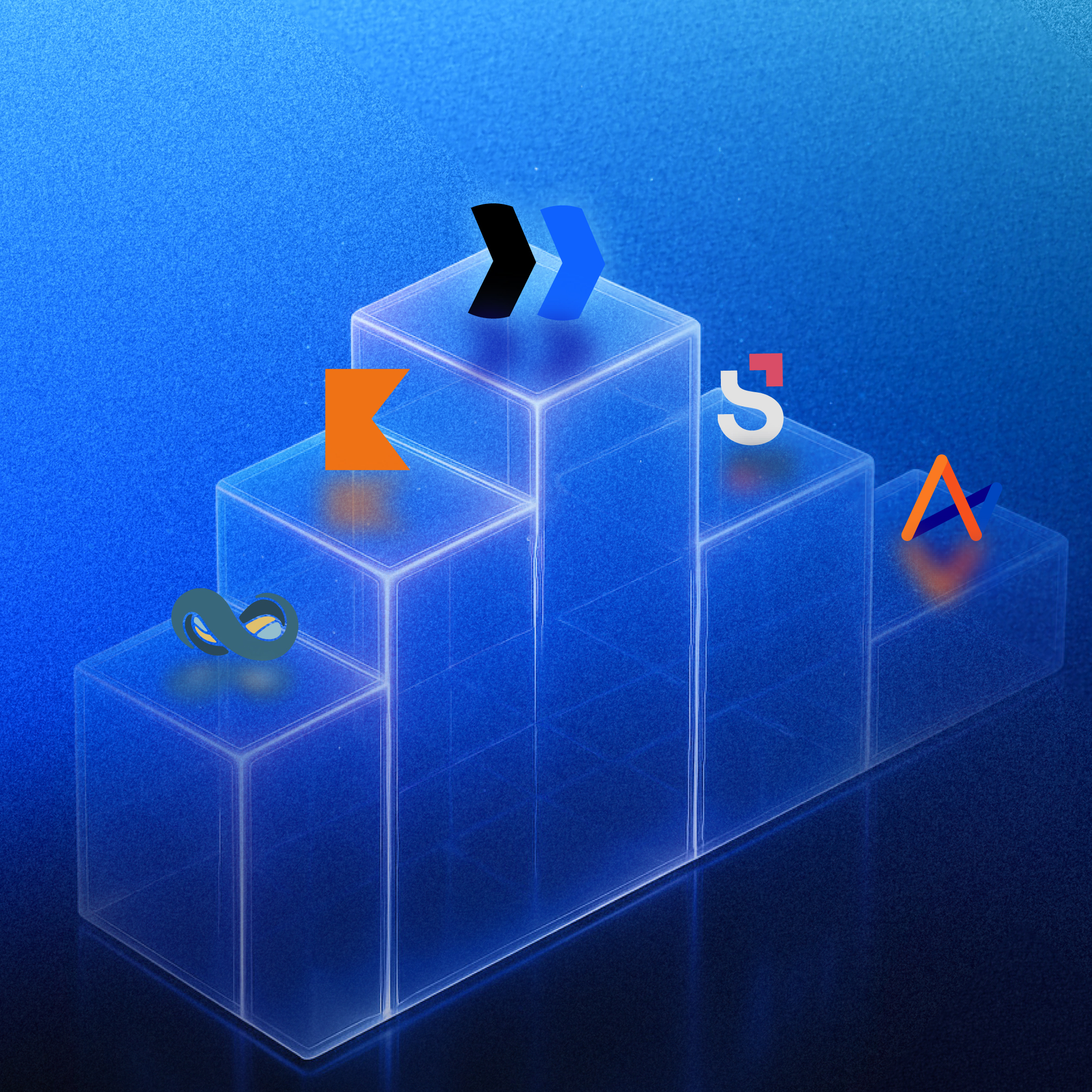
In this guide, we’ll compare the top five Certinia alternatives: Rocketlane, Kantata, Oracle NetSuite OpenAir, Accelo, and Scoro, to help you identify which PSA platform best fits your organization’s needs for efficiency, scalability, and client experience. It evaluates each product’s features, strengths and potential drawbacks for professional services organizations (consultancies, agencies, IT, engineering and financial services) and highlights why Rocketlane is the standout choice for mid‑market and enterprise teams.
How to evaluate a professional services automation software
Choosing the right PSA platform goes beyond ticking feature boxes. It’s about finding a system that unifies your operations, enhances collaboration, and scales effortlessly as your business grows. Here are the key criteria to evaluate when selecting a PSA software:
- Unified platform
Avoid fragmented tech stacks that create silos between delivery, finance, and client communication. Unified PSA platforms reduce duplicate data entry, errors, and manual reconciliations, enabling teams to work from a single, consistent source of truth, all the time.
- AI-driven automation
Modern PSA solutions leverage AI to eliminate repetitive work and enhance foresight. Look for systems that automate resource allocation, project forecasting, meeting summaries, and progress updates. These capabilities not only save time but also surface early signals of project or budget risk before they escalate.
- Project management and collaboration
The platform should go beyond basic project tracking to enable seamless planning, task management, time tracking, and issue resolution, ideally with an integrated client portal. Real-time collaboration with customers helps teams maintain transparency, alignment, and accountability across every project.
- Resource management
Advanced PSA platforms optimize workloads with forecasting, skills matrices, and utilization insights. Features like AI-powered or autopilot resource management ensure balanced scheduling, helping managers deploy the right people to the right projects at the right time.
- Financial management and analytics
Evaluate whether the platform offers comprehensive financial visibility — including project accounting, invoicing, expense tracking, and revenue recognition. Real-time dashboards and customizable reports should replace reliance on manual exports or spreadsheets, giving leaders a live view of profitability and performance.
- Ease of use
A modern, intuitive interface accelerates adoption and reduces training overhead. Heavy or dated UIs can slow down execution, so ensure the vendor offers strong onboarding resources and 24/7 support to help teams ramp up quickly.
- Integrations and ecosystem
The PSA should integrate seamlessly with your CRM and ERP systems (such as Salesforce or NetSuite), as well as collaboration tools like Slack or Microsoft Teams. A connected ecosystem prevents data silos and keeps information flowing across business functions.
- Pricing and scalability
Understand whether the pricing model is per user, per module, or customized. Choose a PSA that can scale with your business without forcing frequent plan upgrades or hidden costs as your teams, projects, and clients grow.
Top 5 Certinia alternatives for professional services teams
1. Rocketlane – A modern, AI-powered PSA built for modern delivery teams
If your professional services business is scaling across APAC or EMEA, Rocketlane might be the best Certinia alternative you’ll find.
Built for modern delivery and customer-facing teams, Rocketlane unifies project management, resource planning, time tracking, financials, and client collaboration in one intuitive platform.
What sets Rocketlane apart is how it blends AI, automation, and collaboration to help services teams achieve “radical efficiency”.
- Unified platform with Salesforce sync
Rocketlane gives you a single system to manage projects, people, and profits and it connects seamlessly with Salesforce. That means your sales, delivery, and finance teams stay in sync, while project data, timelines, and budgets update in real time.
Unlike Certinia, where visibility often stops at the CRM handoff, Rocketlane provides a continuous flow of information from deal closure to delivery and revenue recognition, removing blind spots between functions.
- AI co-pilots and intelligent workflows
Rocketlane’s built-in AI capabilities automate the work that typically slows teams down.
- AI Fills instantly generates polished meeting summaries, action items, and follow-up emails, saving hours each week on post-meeting admin.
- Resource AI analyzes skills, workloads, and availability to recommend the best-fit “A-team” for every project.
The result? Projects stay on track, communication stays sharp, and delivery feels effortless.
- Autopilot resource management
Managing utilization and capacity manually is tough when you’re dealing with distributed teams and changing priorities. Rocketlane’s skills matrix and auto-allocation engine balance workloads intelligently, preventing burnout and under-allocation. Managers can view real-time capacity, spot utilization gaps early, and simulate “what-if” staffing scenarios without switching tools.
- Real-time visibility with Business IQ and Interval IQ
Forget exporting data into spreadsheets. Rocketlane’s Business IQ gives live dashboards for profitability, utilization, and revenue insights, while Interval IQ analyzes time between key project milestones to identify bottlenecks and shorten time-to-value.
Leadership teams can finally get a single view of operational performance, updated by the minute.
- Client portal and collaboration
Where Rocketlane truly stands out is in how it brings clients into the experience. Its white-label customer portal allows clients to track deliverables, approve milestones, and communicate directly with your team. Automated status updates, Slack and email notifications, and built-in CSAT surveys make every project more transparent and accountable.
This focus on customer experience has led to Rocketlane users reporting up to 59% faster time-to-value and NPS scores consistently above 70.
- Easy to use, quick to adopt
Rocketlane’s interface is clean, modern, and remarkably intuitive. New users ramp up fast, thanks to guided onboarding, rich documentation, and 24/7 support. Most teams report going live without needing external consultants or heavy configuration.
- Flexible pricing and scalability
Rocketlane offers tiered pricing plans designed for mid-market and enterprise teams, with flexibility to scale as you add projects, clients, or regions. It’s cost-effective compared to legacy PSA tools that charge separately for each module, and you can start small before expanding to full PSA functionality.
When Rocketlane fits best
Rocketlane is ideal for all professional services organizations that want to move faster, work smarter, and deliver a premium client experience.
For firms across APAC, EMEA, and beyond, Rocketlane’s unified platform, real-time insights, and AI-powered automation mean:
- Shorter project timelines
- Higher utilization and margins
- Better alignment between sales, delivery, and customers
In short: if you’re frustrated with the rigidity of Certinia, Rocketlane gives you the agility, intelligence, and visibility your services business needs to scale globally.
2. Kantata (formerly Mavenlink + Kimble)
Kantata is one of the legacy tools in the PSA space. It is the result of a merger between Mavenlink and Kimble. It’s positioned as a robust, enterprise-grade solution for project-based businesses that need deep resource forecasting, financial management, and portfolio-level visibility.
However, while it helps with operations and forecasting, Kantata often requires teams to depend on external tools for collaboration, communication, and even some aspects of project management.
|Check out this piece for a detailed comparison of Kantata and Certinia.
What Kantata does well
- Resource forecasting and scheduling
Kantata’s strongest feature is its ability to plan ahead. It allows managers to forecast future demand, balance workloads, and model multiple resource allocation scenarios before committing to a plan. Its skills inventory and capacity planning views help leaders avoid burnout and underutilization. - Project management and portfolio health
Kantata offers project accounting and risk tracking features that help estimate project costs, manage time and expenses, and view your overall portfolio health through intuitive dashboards that highlight delays, risks, and overruns. These visual reports help teams course-correct early. - Financial management and forecasting
The platform supports end-to-end project accounting, from budget planning and period close to invoicing and revenue recognition. This makes it well-suited for teams that rely heavily on accurate forecasting to manage multi-project profitability.
Where Kantata falls short
While Kantata shines in financial control, it’s not as strong in client collaboration. It lacks an integrated portal or modern communication workspace, which means teams often turn to email or Slack to keep clients informed, creating friction and reducing visibility.
Its user experience is also very complex. Many users note a steeper learning curve and longer onboarding cycles. And since pricing is quote-based, costs can quickly add up, especially for teams that need both PSA and collaboration capabilities.
Who it’s best for
But for fast-moving mid-market and enterprise teams that want faster implementation and built-in client collaboration, Rocketlane offers a simpler, more modern experience that teams can start using almost immediately.
3. NetSuite OpenAir (SuiteProjects Pro)
NetSuite OpenAir, part of Oracle’s ecosystem, is a PSA platform known for its enterprise-grade financial and operational capabilities. It’s a natural choice for organizations already using NetSuite ERP or planning to centralize financials, billing, and services delivery in one ecosystem.
What OpenAir does well
- Project management and collaboration
OpenAir gives teams a workspace to plan and track projects, manage dependencies, and keep an eye on progress. Integrated dashboards and alerts help project managers spot issues early and maintain control over delivery timelines. - Resource management
The platform includes a resource scheduling engine that matches people to projects based on skills, interests, and availability helping large teams optimize utilization and capacity planning across global offices. - Timesheets and expense management
OpenAir’s time and expense modules allow employees to log hours and submit claims from anywhere. Expenses integrate directly with project accounting, simplifying billing and financial reconciliation. OpenAir also supports multi-currency, multi-company, and global tax compliance.
Where OpenAir falls short
OpenAir’s interface feels dated and requires considerable training to master. Implementations can take months and often depend on third-party consultants, adding cost and complexity. Moreover, many users still rely on Excel or separate project management tools for detailed execution, which undercuts its promise of full visibility.
Who it’s best for
OpenAir is ideal for large enterprises already on NetSuite ERP, where deep financial integration outweighs usability or speed of implementation. For firms or service providers that want faster time-to-value, better usability, and a unified delivery ecosystem, from internal operations to client and partner engagement, Rocketlane’s modern, intuitive platform offers a smoother, more collaborative experience at a lower total cost of ownership.
4. Scoro
Scoro is a European-born PSA solution popular among agencies, consultancies, and architecture firms. It’s known for combining project management, financials, and CRM in one sleek platform that supports the entire quote-to-cash cycle.
What Scoro does well
- Operations management
Scoro offers a single view of projects, resources, and finances. Teams can plan workloads, forecast utilization, and track profitability per project or client. It’s a great fit for smaller teams that need structure without enterprise-level complexity. - Quoting and estimation
Scoro’s quote estimation matrix helps break down deliverables by role, effort, and cost, giving teams visibility into margins before committing to a project. - Financial insights
Its financial module delivers budget burn tracking, profitability forecasts, and margin visibility across roles and services helping make decisions about which clients and projects drive profit.
Where Scoro falls short
While Scoro covers a lot of ground, its resource management features aren’t as advanced. There’s no auto-allocation or skills-based AI matching, which can limit optimization at scale.
It also lacks a dedicated client portal, meaning collaboration often happens via email or shared files, not within the platform.
Who it’s best for
Scoro is ideal for small to mid-sized consultancies or creative agencies that want an easy-to-use for managing projects, finances, and quoting. For teams that prioritize client collaboration, resource optimization, and AI-powered automation, Rocketlane delivers more depth and scalability.
5. Accelo
Accelo positions itself as a client work management platform that spans the customer lifecycle from sales to service delivery and support. It’s particularly strong for firms that want their PSA to double as a CRM and ticketing system.
What Accelo does well
- Client lifecycle management
Accelo unifies sales, project delivery, and billing under one roof. You can convert quotes into projects in one click, track ongoing work, and manage client communications all from the same interface. - Time and expense tracking
Tasks, projects, and timesheets update automatically as work progresses, cutting down on manual data entry. - Resource management and utilization insights
Accelo’s scheduling and capacity-planning modules offer visibility into utilization, enabling managers to make proactive adjustments to workloads.
Where Accelo falls short
Accelo’s broad scope means it can feel complex to set up and maintain. Smaller teams focused purely on project delivery may find it overkill for their needs.
Who it’s best for
Accelo fits consultancies, agencies, and MSPs that want a work management system. For teams that care most about delivery speed, project governance, and client collaboration, Rocketlane’s AI-powered PSA offers a more focused and efficient alternative.
Choosing the best PSA software for your team
Certinia paved the way for cloud PSA on Salesforce, but modern professional services teams expect more than basic resource scheduling and financial management. They need unified platforms with AI automation, intuitive interfaces and collaboration built in.
For APAC and EMEA professional services organizations, especially mid‑market and enterprise teams, Rocketlane emerges as the leading Certinia alternative. It delivers the unified platform, AI automation and seamless client experiences needed to improve utilisation, accelerate time‑to‑value and drive profitability.
Ready to modernize your PSA?
Let’s get real for a moment. If you’re running projects across time zones in India, Australia or the UK, you don’t have time to babysit spreadsheets, chase updates or worry about whether your software can keep up. You need a PSA that actually works for you, not the other way around.
That’s why many APAC and EMEA professional services teams are moving to Rocketlane.
Imagine kicking off a new client project: your sales handoff happens in seconds. The system assigns the right people using skills and availability. Your client logs in through a branded portal, sees the project plan and shares feedback. They even get automatic status emails, so no more endless update meetings. Meanwhile, your leadership team watches real‑time dashboards on profitability and utilization instead of wrangling spreadsheets.
And those post‑meeting notes you dread? Rocketlane’s AI co‑pilot writes them for you. That’s time you get back to focus on what matters: building real client relationships and growing your business.
You don’t have to take our word for it. Check it out yourself.